
Salads
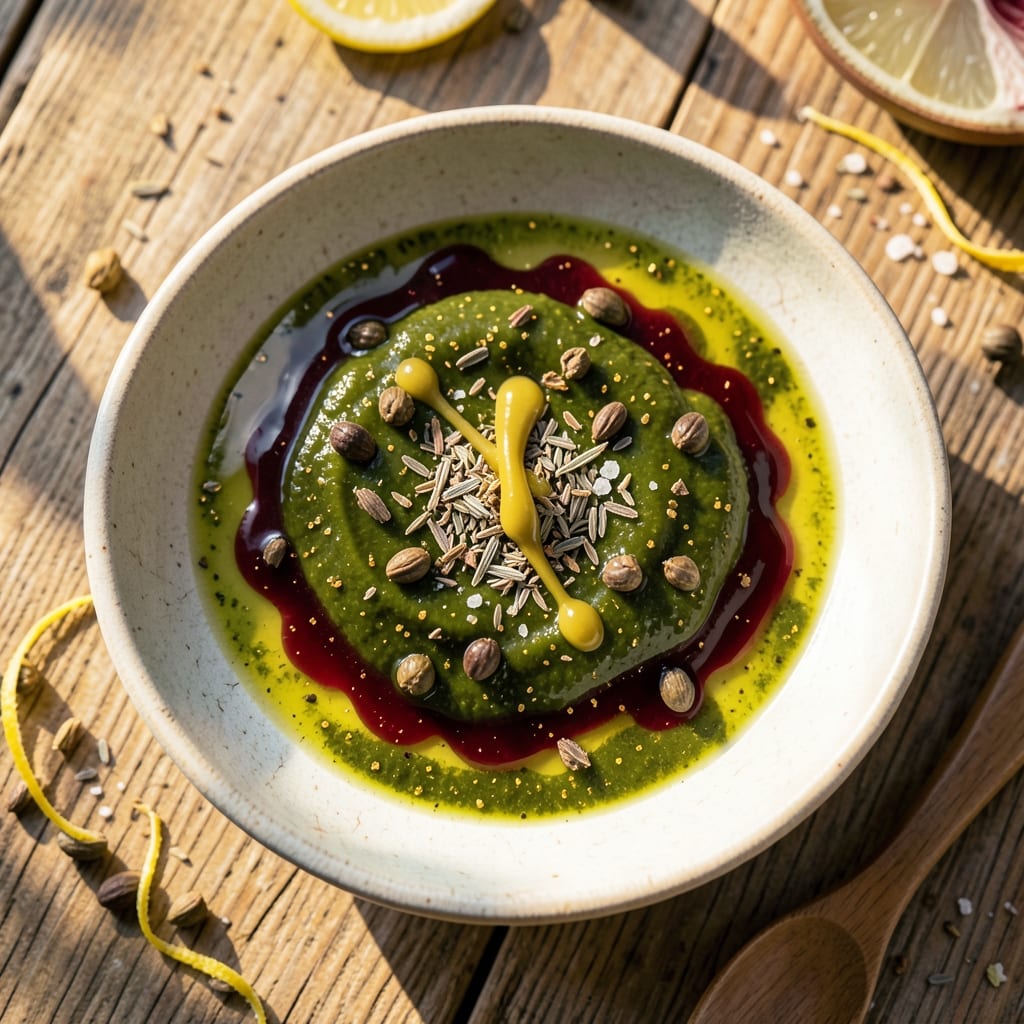
This Aegean salad dressing recipe captures the sun-drenched essence of Greek cuisine in every drop—bright, herby, and effortlessly balanced without mayo. The secret lies in high-quality extra-virgin olive oil, which forms the luxurious base, while red wine vinegar adds a sharp tang that cuts through rich ingredients. I developed this version after years of testing traditional recipes, ensuring the perfect harmony of lemon, oregano, and salt that defines Aegean flavors. What makes it special is how simple yet transformative it is: just five ingredients, yet it elevates any salad from ordinary to extraordinary.
The dressing's magic comes from its simplicity and the quality of its components. Fresh lemon juice brightens the olive oil's richness, while dried oregano delivers that unmistakable Mediterranean aroma. A pinch of salt enhances every flavor, and a touch of Dijon mustard (optional but recommended) adds subtle depth. The ratio is precise: ½ cup olive oil, 2 tablespoons red wine vinegar, 1 tablespoon lemon juice, 1 teaspoon dried oregano, and ½ teaspoon salt—enough to coat a standard batch of salad ingredients. This balance ensures the dressing clings beautifully to greens without overpowering them.
What you’ll achieve is a dressing that’s vibrant, aromatic, and deeply authentic—one that transports you to the shores of the Aegean with every drizzle. The olive oil remains the star, its fruity notes complementing the lemon’s acidity and the oregano’s earthy warmth. It’s versatile enough for classic Greek salads like horta or even hearty grain bowls, yet refined enough for elegant dishes. The best part? It keeps for up to a week in the refrigerator, allowing you to enjoy the flavors of Greece long after the harvest season.
For those who want to experiment, consider adding a teaspoon of capers for briny contrast or a splash of water to thin it slightly for a lighter finish. But the core recipe stays true to tradition—no shortcuts, just the pure, bright essence of Aegean cuisine. Let’s make this dressing, and bring a taste of Greece to your table.
Ingredients for aegean salad dressing
Five simple ingredients transform into Aegean magic—bright, herby, and utterly addictive.
| Ingredient | Amount | Notes |
|---|---|---|
| Extra-Virgin Olive Oil 🫒 | ½ cup | High-quality, fruity variety |
| Red Wine Vinegar 🍷 | 2 tbsp | Dry, bold flavor preferred |
| Fresh Lemon Juice 🍋 | 1 tbsp | From 1 small lemon |
| Dried Oregano 🌿 | 1 tsp | Mediterranean oregano if available |
| Sea Salt 🧂 | ½ tsp | Fine grain preferred |
| Dijon Mustard 🌶️ | ½ tsp | Optional but recommended |
| Capers 🍆 | ½ tsp | Optional for briny contrast |
The olive oil is non-negotiable here. Look for extra-virgin with fruity notes—California Olive Ranch or Colavita are solid choices. If you're splurging, Gaea or Kalamata olive oil from specialty stores takes it to another level. The vinegar should be dry and bold—Bertolli or Trader Joe's are great pantry staples. Fresh lemon juice is ideal, but bottled works in a pinch. For oregano, Mediterranean oregano (not Mexican) gives that authentic Greek flavor. If you can't find it, regular dried oregano works but lacks depth.
No Dijon mustard? Skip it or swap for whole-grain mustard. The capers add a briny kick—omit if you prefer milder flavors. Want to thin it? Add water, 1 teaspoon at a time. For extra brightness, zest from the lemon (no need to measure) adds a lovely aroma. If your vinegar smells like vinegar (not pleasant), it's time to replace it. The dressing should coat the back of a spoon but still drip slightly—adjust ratios if it's too thick or thin. Pro tip: let it sit for 10 minutes before using so flavors meld.
Store in a clean glass jar in the fridge for up to 1 week. The flavors actually improve over time, so make extra. Shake well before each use—it separates. For a lighter finish, thin with 1 teaspoon water per tablespoon of dressing. This keeps beautifully, so no need to rush through it. Perfect for drizzling over Greek salads, grains, or even grilled veggies. The mustard and capers? Use within 3 days for best flavor if you add them.
Why You'll Love This Recipe
- Five-Ingredient Magic: I swear by this—just oil, vinegar, lemon, oregano, and salt. No measuring cups, no fancy tools, just a jar and a whisk. Honestly, it’s the kind of dressing that makes me feel like I actually cooked something, even when I didn’t.
- Bright & Tangy: That lemon juice cuts through the richness of olive oil like a summer breeze. The oregano? It’s the secret—earthy but bright, not overpowering, just enough to make every bite taste like a Greek taverna. (Yes, even on a Tuesday night.)
- Dresses Everything: Grill? Check. Pasta? Done. Even a sad desk salad gets a glow-up. I’ve drizzled this on roasted veggies, crusty bread, and even scrambled eggs—no judgment. It’s my go-to for when I don’t know what else to do.
- Lasts All Week: Make a big batch—it keeps in the fridge for days without turning weird. I’ll be real: I’ve had this dressing linger for almost two weeks, and it’s still good. Plus, olive oil is cheap, so you’re not breaking the bank for flavor gold.
Step-by-step instructions for Aegean salad dressing
Here's how to whip up this vibrant, no-mayo dressing in minutes.
Whisk Vinegar and Lemon Juice
In a medium bowl, combine the 2 tablespoons red wine vinegar and 1 tablespoon fresh lemon juice. I like to use a fork first to break up any caper clusters, then switch to a whisk for thorough mixing. This acid base is the flavor foundation—let it sit for 1 minute to allow the lemon to brighten the vinegar.
Here's the thing—fresh lemon juice makes all the difference. If you're using bottled, add an extra ½ teaspoon to compensate for the weaker flavor. The mixture should smell tangy and slightly sharp, with the vinegar's boldness cutting through the lemon's brightness.
Add Mustard and Seasonings
Next, stir in the ½ teaspoon Dijon mustard until fully dissolved. The mustard helps emulsify the dressing later and adds subtle depth. Sprinkle in the ½ teaspoon sea salt and 1 teaspoon dried oregano, whisking constantly to distribute evenly.
I always taste at this stage to check the seasoning balance. The dressing should taste bright but not sour, with the oregano adding an earthy Mediterranean note. If it needs more salt, add it now—you can't overdo it with this small amount. The mustard should be completely incorporated without any graininess.
Slowly Incorporate Olive Oil
With the whisk moving steadily, begin adding the ½ cup extra-virgin olive oil in a very slow, thin stream. This gradual approach prevents the dressing from separating. Start with just a few drops, whisking continuously until the oil is fully emulsified before adding more.
This is where patience pays off—rushing creates a split dressing. You'll know it's working when the mixture thickens slightly and takes on a creamy, satiny appearance. The olive oil should disappear completely into the mixture rather than floating on top. If you see any oil separation, whisk more vigorously for another 30 seconds.
Fold in Capers and Final Adjustments
Chop the ½ teaspoon capers finely with kitchen shears or a knife to prevent large pieces. Gently fold them into the dressing using a spatula—you don't want to break the emulsion. Taste and adjust seasoning if needed, adding more salt or lemon juice as necessary.
The dressing should coat the back of a spoon with a velvety texture. If it's too thick, add 1 teaspoon water and whisk again. For extra brightness, squeeze in a tiny bit more lemon. This dressing keeps well in the fridge for up to 5 days, but it's best used within 3 days for maximum freshness.
Shake Before Using
Before each use, give the dressing a good shake or whisk. The ingredients naturally separate over time, but a quick mix restores that silky consistency. I like to pour it over chilled Greek salad just before serving to maintain that vibrant, restaurant-quality zing.
This dressing works beautifully with cucumbers, tomatoes, olives, feta, and fresh herbs. The capers add a delightful briny contrast that makes it truly Aegean-inspired. Store any leftovers in an airtight container in the refrigerator.
Pro Tips For Making Aegean Salad Dressing
- Whisk in Stages: Start with just the olive oil and vinegar—emulsify that base first. Then slowly drizzle in the lemon juice while whisking like you’re trying to win a race. Stopping mid-whisk leaves you with a split dressing, and nobody wants curdled oil floating in their salad. ---
- Toast the Oregano: Heat your dried oregano in a dry pan for 10 seconds—just until you smell that fresh, toasty aroma. Skip this, and you’ll taste the dusty store-bought version instead of the bright, herbal punch that makes this dressing sing. ---
- Salt the Oil: Toss a pinch of salt directly into the olive oil before mixing—it dissolves better than adding it later. Trust me, your dressing will taste more balanced, and you’ll avoid that awkward moment where you realize it’s bland halfway through. ---
- Use Cold Lemon Juice: Chill your lemon juice in the fridge for 15 minutes before mixing—it sharpens the acidity and keeps the dressing from getting too warm and dull. I learned this after making dressing that tasted flat because the juice was straight from a sun-warmed fruit bowl.
Creative variations of this dish
Classic Greek Twist
For a more traditional approach, swap the red wine vinegar for ½ cup extra-virgin olive oil and 2 tablespoons white wine vinegar—this creates a lighter, more delicate dressing perfect for summer salads. I've made this version countless times for family gatherings, and it's always a crowd-pleaser. The white wine vinegar adds a subtle floral note that pairs beautifully with fresh cucumbers and tomatoes. 🌿
Herb-Forward Variation
Boost the Mediterranean flavor by adding ½ teaspoon dried thyme and ½ teaspoon dried basil along with the oregano. This herb trio mimics the fresh herb blends used in Greek tavernas. For an extra pop, add 1 teaspoon finely chopped fresh dill—it brightens the dressing with a fresh, almost citrusy note. Store any fresh herbs separately and mix them in just before serving to preserve their aroma.
Spicy Aegean Kick
If you love heat, add ¼ teaspoon crushed red pepper flakes or 1 finely chopped red chili for a subtle spicy kick. This variation works amazingly well with grilled meats or spicy Greek salads. I recommend using a mild chili like Anaheim or jalapeño to avoid overpowering the delicate dressing. For a smoky twist, add ¼ teaspoon smoked paprika instead of the red pepper flakes. 🌶️
Lighter Citrus Version
For a refreshing, almost dessert-like dressing, increase the lemon juice to 2 tablespoons and add 1 tablespoon orange juice. This variation is perfect for fruit salads or as a drizzle over grilled vegetables. The citrus notes shine through beautifully, especially when paired with fresh mint leaves. It's a fantastic option for those who prefer a sweeter, brighter dressing that still maintains the Aegean essence.
Garlicky Depth
Add ½ teaspoon minced garlic (about 1 small clove) to the vinegar-lemon base before whisking in the olive oil. This subtle garlic addition adds a savory depth that pairs perfectly with roasted vegetables or hearty grain bowls. For a milder flavor, use garlic-infused olive oil instead of fresh garlic. The garlic should be finely minced to avoid any graininess in the dressing. 🧄
Smoky Olive Oil Swap
For a smoky twist, replace half of the extra-virgin olive oil with ¼ cup smoked olive oil. This variation is ideal for pairing with grilled meats or smoked cheeses. The smoky flavor adds complexity without overpowering the bright lemon and tangy vinegar. I recommend Colavita Smoky Olive Oil** for a consistent, high-quality result. This dressing is perfect for fall and winter meals when you crave warm, comforting flavors.
Nutrition facts
Frequently asked questions
Can I use balsamic vinegar instead of red wine vinegar?
While balsamic adds a sweet, complex flavor, it's not traditional for Aegean dressing. For authenticity, stick with red wine vinegar—its sharp acidity perfectly balances the olive oil. If you must substitute, use white wine vinegar for a cleaner, brighter tang that still pairs well with Mediterranean flavors.
How do I fix a dressing that separated?
Simply whisk vigorously for 1-2 minutes—the emulsion will reform! If it still separates, add 1 teaspoon water and whisk again. For stubborn cases, mix ½ teaspoon Dijon mustard with a splash of vinegar, then slowly whisk into the dressing to stabilize it.
Is this dressing vegan?
Yes! This recipe is completely plant-based—just olive oil, vinegar, lemon, herbs, and salt. For extra assurance, check your olive oil label (some brands filter with animal products). The capers and mustard are also vegan, making this a perfect dressing for plant-forward meals.
Can I make this dressing without a whisk?
Use a fork, spoon, or even a small jar with a tight lid—shake vigorously for 30 seconds after adding oil. For best results, let the dressing sit for 5 minutes before using, as this helps the flavors meld and the emulsion stabilize naturally.
What's the best way to store leftovers?
Transfer to a clean glass jar with an airtight lid and refrigerate for up to 1 week. The dressing actually improves in flavor over time! Before using, shake or whisk thoroughly—it may separate slightly. For longer storage, freeze for up to 3 months (thaw in the fridge overnight).